Diabetic Foot Care in Myeongdong, Seoul
Diabetic foot care helps prevent wounds, infection, ulcers, nail problems, and walking discomfort caused by reduced circulation, nerve sensitivity changes, and higher infection risk. At OBLIV Clinic Myeongdong Seoul, patients can receive professional diabetic foot care designed to protect foot health, manage early symptoms, and reduce the risk of complications.

Diabetic Foot Care at a glance
- In short: Diabetic foot care helps prevent wounds, infection, ulcers, nail problems, and walking discomfort caused by reduced circulation, nerve sensitivity changes, and higher infection risk.
- What Is Diabetic Foot Care?: Diabetic foot care focuses on preventing, detecting, and managing foot problems that may occur in patients with diabetes.
- Why Diabetic Foot Care Is Important: Diabetes can affect circulation, skin healing, and nerve sensation in the feet.
- Common Diabetic Foot Problems: Diabetic patients may experience several foot and toenail concerns.
- Diabetic Toenail and Skin Care: Toenail and skin care should be handled carefully for diabetic patients because improper trimming or aggressive home care may cause wounds.
Why Choose OBLIV Clinic Myeongdong Seoul?
OBLIV Clinic provides professional foot care for local and international patients in central Seoul.
Patients often choose the clinic for:
- Foreigner-friendly consultation support
- Convenient Myeongdong location
- Personalized diabetic foot care planning
- Toenail and skin condition management
- Wound and infection prevention guidance
- Long-term foot health support
What Is Diabetic Foot Care?
Diabetic foot care focuses on preventing, detecting, and managing foot problems that may occur in patients with diabetes.
It may include care for:
- Dry or cracked skin
- Thick toenails
- Fungal toenails
- Ingrown toenails
- Calluses and pressure areas
- Small wounds or irritation
- Reduced foot sensation
- Recurring foot discomfort
Why Diabetic Foot Care Is Important
Diabetes can affect circulation, skin healing, and nerve sensation in the feet. Because of this, small problems may not be painful at first but can worsen quickly.
Professional diabetic foot care may help:
- Reduce infection risk
- Prevent ulcers
- Manage nail and skin problems
- Detect early warning signs
- Improve walking comfort
- Support safer long-term foot health
Before and after toenail fungus laser treatment
Example case: toenail fungus laser treatment. A real course of treatment at Obliv Clinic Seoul Origin, from the first visit to the final session.
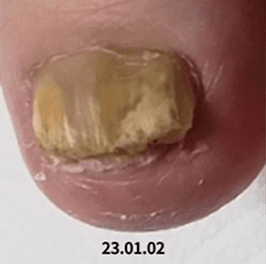
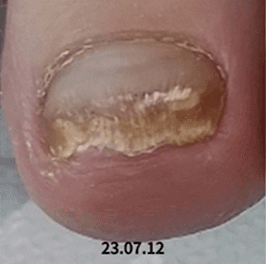
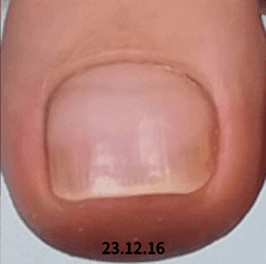
Individual results vary. The number of sessions depends on severity, nail growth and aftercare.
Common Diabetic Foot Problems
Diabetic patients may experience several foot and toenail concerns.
Common issues include:
- Dry, cracked skin
- Slow-healing wounds
- Foot numbness or tingling
- Thick or discolored toenails
- Fungal nail infection
- Ingrown toenails
- Calluses from pressure
- Redness, swelling, or warmth
Diabetic Toenail and Skin Care
Toenail and skin care should be handled carefully for diabetic patients because improper trimming or aggressive home care may cause wounds.
At OBLIV Clinic Myeongdong Seoul, diabetic foot care may include toenail evaluation, nail thickness management, fungal nail care, ingrown toenail care, skin inspection, callus management, and prevention education.
When Should Diabetic Patients See a Foot Specialist?
Professional care is recommended if diabetic patients notice pain, swelling, redness, wounds, nail changes, or skin irritation.
Seek care early for:
- Cuts or wounds that do not heal
- Redness or swelling
- Pus or drainage
- New foot pain
- Black or discolored skin
- Ingrown toenails
- Thick fungal toenails
- Numbness or burning sensations
How to Protect Diabetic Feet Daily
Daily prevention is essential for diabetic foot health.
Helpful care habits include:
- Check feet every day
- Keep feet clean and dry
- Moisturize dry skin carefully
- Avoid walking barefoot
- Wear comfortable shoes
- Change socks daily
- Trim toenails carefully
- Seek care early for wounds or infection signs
Diabetic Foot Care for Foreigners in Korea
Many foreign patients seek diabetic foot care in Seoul when they notice nail problems, foot discomfort, swelling, redness, or skin changes during travel.
OBLIV Clinic Myeongdong Seoul is convenient for:
- Tourists visiting Seoul
- Expats living in Korea
- Business travelers
- International patients staying near Myeongdong
- Patients seeking English-friendly support
Diabetic Foot Care: frequently asked questions
What is diabetic foot care?
Diabetic foot care is professional foot evaluation and management designed to prevent wounds, infection, ulcers, nail problems, and skin complications in patients with diabetes.
Why do diabetic patients need special foot care?
Diabetes can affect circulation, nerve sensation, and healing, making small foot problems more likely to become serious.
Can diabetic patients receive foot care in Seoul?
Yes. Foreign patients, expats, and travelers can receive diabetic foot care in Seoul at OBLIV Clinic Myeongdong.
Are thick toenails dangerous for diabetic patients?
Thick toenails can cause pressure, wounds, or infection if not managed properly, so professional evaluation is recommended.
When should I see a doctor for diabetic foot problems?
You should seek care if you notice wounds, swelling, redness, pus, pain, numbness, skin color changes, or toenail infection.
How can I prevent diabetic foot complications?
Check your feet daily, keep them clean and dry, wear proper shoes, avoid barefoot walking, and seek treatment early for any wounds or infection signs.
Keep reading
Medical review
Written and medically reviewed by the Obliv Clinic Seoul Origin medical team, who diagnose and treat foot, nail and skin conditions in person in Seoul. Last reviewed on 14 October 2026. This page is for general information and does not replace a consultation.
Book your diabetic foot care consultation.
Send us a photo and your travel dates on WhatsApp or KakaoTalk. We’ll reply with available times.
New paragraph
New paragraph