Infected Ingrown Toenail Treatment in Myeongdong, Seoul
An infected ingrown toenail can cause worsening pain, redness, swelling, pus, bleeding, and difficulty walking if not treated properly. At OBLIV Clinic Myeongdong Seoul, patients can receive professional infected ingrown toenail treatment designed to control infection, relieve nail pressure, and prevent repeated inflammation.
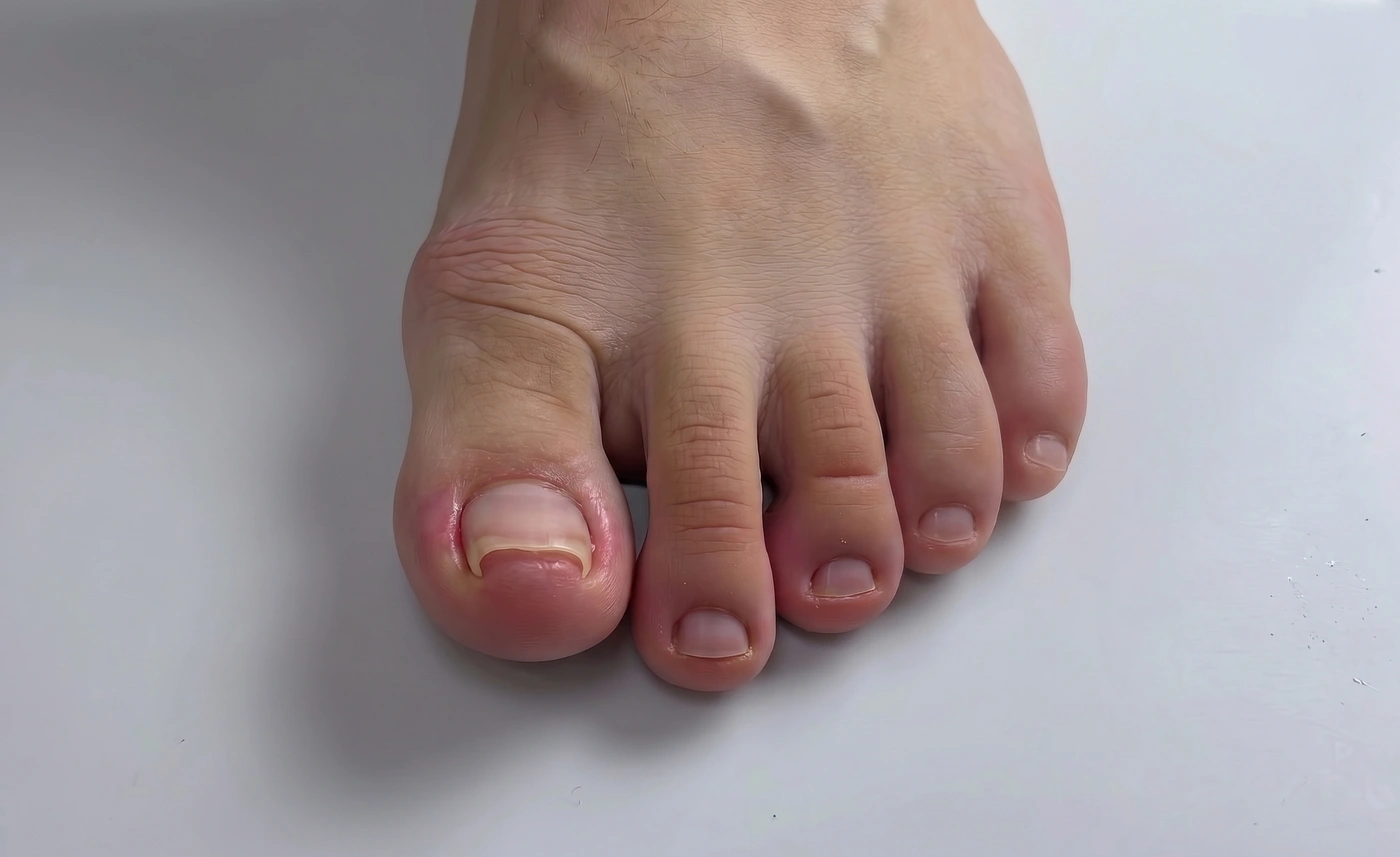
Infected Ingrown Toenail Treatment at a glance
- In short: An infected ingrown toenail can cause worsening pain, redness, swelling, pus, bleeding, and difficulty walking if not treated properly.
- Professional Infected Ingrown Toenail Treatment in Seoul: Treatment depends on the severity of infection, pain, swelling, and nail shape.
- Common Symptoms of an Infected Ingrown Toenail: An infected ingrown toenail may become painful and difficult to ignore.
- What Causes an Infected Ingrown Toenail?: Infection may develop when the nail edge continues pressing into the skin and creates an open or irritated area.
- When Is Partial Nail Removal Needed?: If the infected ingrown toenail is severe, repeatedly returning, or not improving with conservative care, partial nail removal may be recommended.
Why Choose OBLIV Clinic Myeongdong Seoul?
OBLIV Clinic provides professional toenail and foot care for local and international patients in central Seoul.
Patients often choose the clinic for:
- Foreigner-friendly consultation support
- Convenient Myeongdong location
- Infection and inflammation management
- Personalized toenail treatment planning
- Minor procedure options when needed
- Recurrence prevention guidance
Common Symptoms of an Infected Ingrown Toenail
An infected ingrown toenail may become painful and difficult to ignore.
Common symptoms include:
- Redness around the nail edge
- Swelling near the toenail
- Throbbing pain
- Pus or fluid drainage
- Bleeding around the nail fold
- Warmth around the toe
- Pain when wearing shoes
- Difficulty walking comfortably
What Causes an Infected Ingrown Toenail?
Infection may develop when the nail edge continues pressing into the skin and creates an open or irritated area.
Common causes include:
- Cutting toenails too short
- Rounding nail corners deeply
- Tight shoes or high heels
- Curved or wide nail shape
- Sports-related toe pressure
- Toe trauma or injury
- Poor foot hygiene
- Untreated ingrown toenail inflammation
Professional Infected Ingrown Toenail Treatment in Seoul
Treatment depends on the severity of infection, pain, swelling, and nail shape.
At OBLIV Clinic Myeongdong Seoul, treatment may include:
- Toe and nail evaluation
- Infection and inflammation care
- Pain control when needed
- Proper wound cleaning
- Antibiotic treatment if medically necessary
- Partial nail removal for severe or recurring cases
- Prevention guidance to reduce recurrence
Before and after ingrown toenail correction
A real course of treatment at Obliv Clinic Seoul Origin, from the first visit to the final session.
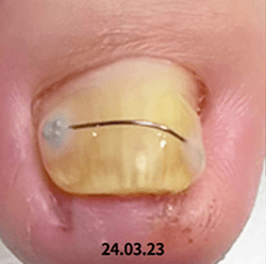
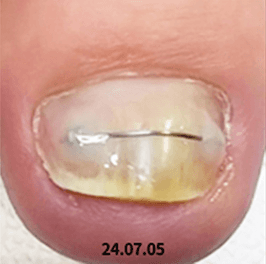
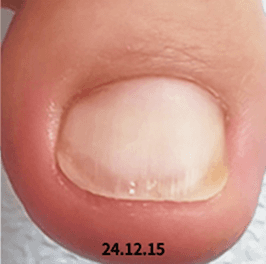
Individual results vary. The number of sessions depends on severity, nail growth and aftercare.
When Is Partial Nail Removal Needed?
If the infected ingrown toenail is severe, repeatedly returning, or not improving with conservative care, partial nail removal may be recommended.
This procedure removes only the painful nail edge while preserving as much of the healthy nail as possible.
Partial nail treatment may help:
- Relieve pressure from the nail edge
- Drain and reduce infected tissue irritation
- Improve walking comfort
- Prevent repeated infection
- Reduce recurring inflammation
Can an Infected Ingrown Toenail Heal on Its Own?
Mild irritation may improve with proper hygiene and reduced pressure. However, once pus, swelling, worsening pain, or spreading redness develops, professional treatment is strongly recommended.
Delaying care may lead to:
- More severe infection
- Increased pain and swelling
- Repeated pus or bleeding
- Difficulty walking
- Recurring ingrown toenails
- Deeper tissue infection
How to Prevent Infection From Returning
Prevention is important after treatment because ingrown toenails can recur.
Helpful prevention tips include:
- Cut toenails straight across
- Avoid cutting nails too short
- Do not dig into nail corners
- Wear shoes with enough toe space
- Keep feet clean and dry
- Change socks regularly
- Avoid repeated toe pressure
- Seek care early when pain returns
Infected Ingrown Toenail Treatment for Foreigners in Korea
Many international patients seek urgent toenail care during travel because infected ingrown toenails can make walking and sightseeing difficult.
OBLIV Clinic Myeongdong Seoul is convenient for:
- Tourists visiting Seoul
- Expats living in Korea
- Business travelers
- International patients staying near Myeongdong
- Patients looking for English-friendly support
Infected Ingrown Toenail Treatment: frequently asked questions
Is an infected ingrown toenail serious?
It can become serious if infection spreads or pain worsens. Professional treatment is recommended when pus, swelling, redness, or severe pain appears.
Do I need antibiotics for an infected ingrown toenail?
Antibiotics may be recommended depending on infection severity, but pressure from the ingrown nail may also need to be treated.
Will the whole toenail need to be removed?
Usually no. In many cases, only the painful or infected nail edge is treated or partially removed.
Can tourists receive infected ingrown toenail treatment in Seoul?
Yes. Many foreign patients receive urgent toenail treatment during short visits to Seoul.
How do I prevent another infected ingrown toenail?
Cut nails straight across, avoid tight shoes, keep feet dry, and seek care early when nail-edge pain begins.
When should I see a doctor?
You should seek treatment if there is pus, bleeding, spreading redness, swelling, worsening pain, or difficulty walking.
Keep reading
Medical review
Written and medically reviewed by the Obliv Clinic Seoul Origin medical team, who diagnose and treat foot, nail and skin conditions in person in Seoul. Last reviewed on 14 October 2026. This page is for general information and does not replace a consultation.
Book your infected ingrown toenail treatment consultation.
Send us a photo and your travel dates on WhatsApp or KakaoTalk. We’ll reply with available times.
New paragraph
New paragraph