Cracked Heel Treatment in Myeongdong, Seoul
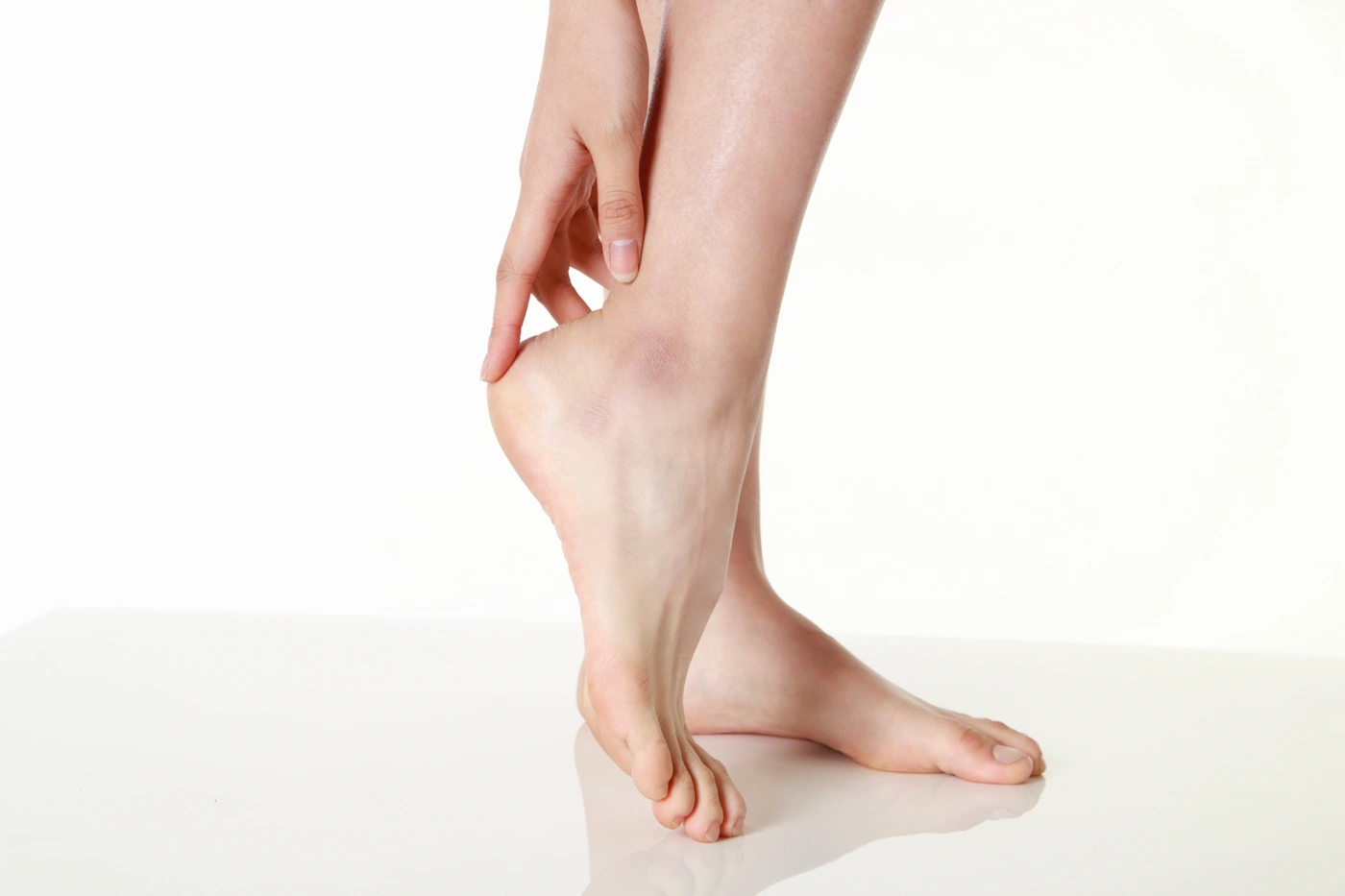
Cracked heel treatment helps improve dry, rough, thickened, and painful heel skin caused by pressure, friction, dryness, aging, or repeated walking. At OBLIV Clinic Myeongdong Seoul, patients can receive professional cracked heel care designed to smooth heel texture, reduce discomfort, improve hygiene, and support healthier-looking feet.
Cracked Heel Treatment at a glance
- In short: Cracked heel treatment helps improve dry, rough, thickened, and painful heel skin caused by pressure, friction, dryness, aging, or repeated walking.
- Professional Cracked Heel Treatment in Seoul: Professional cracked heel treatment focuses on safely managing thickened skin, improving heel texture, and reducing painful cracks.
- What Causes Cracked Heels?: Cracked heels often develop when dry or thickened skin loses flexibility and splits under pressure.
- When Should Cracked Heels Be Treated?: Professional care is recommended when cracked heels become painful, deep, bleeding, recurring, or difficult to improve with home moisturizers.
- Can Cracked Heels Come Back?: Yes.
Why Choose OBLIV Clinic Myeongdong Seoul?
OBLIV Clinic provides professional aesthetic foot care for local and international patients in central Seoul.
Patients often choose the clinic for:
- Foreigner-friendly consultation support
- Convenient Myeongdong location
- Personalized cracked heel treatment planning
- Rough skin and callus management
- Foot hygiene improvement
- Prevention guidance for recurring dryness
What Causes Cracked Heels?
Cracked heels often develop when dry or thickened skin loses flexibility and splits under pressure.
Common causes include:
- Dry skin
- Thick heel calluses
- Long walking or standing
- Open-back shoes or sandals
- Repeated friction
- Aging-related skin dryness
- Poor foot hydration
- Pressure from body weight
When Should Cracked Heels Be Treated?
Professional care is recommended when cracked heels become painful, deep, bleeding, recurring, or difficult to improve with home moisturizers.
You may need treatment if you have:
- Deep heel cracks
- Pain while walking
- Bleeding or tenderness
- Thick rough heel skin
- Recurring dryness
- Cracked calluses
- Poor response to home care
Professional Cracked Heel Treatment in Seoul
Professional cracked heel treatment focuses on safely managing thickened skin, improving heel texture, and reducing painful cracks.
Treatment may help:
- Smooth rough heel skin
- Reduce thick callus buildup
- Improve walking comfort
- Reduce painful splitting
- Improve foot appearance
- Support cleaner foot hygiene
Before and after: cracked heel treatment
A simplified illustration of the change most patients aim for. Your own result depends on the cause, severity and how consistently aftercare is followed.
Illustrations are for explanation only and are not patient photos. Individual results vary.
Can Cracked Heels Come Back?
Yes. Cracked heels can return if dryness, pressure, friction, or thick callus buildup continues.
Long-term improvement may require consistent moisturizing, proper footwear, pressure reduction, and regular foot care.
How to Prevent Cracked Heels After Treatment
Prevention helps maintain smoother, softer heel skin.
Helpful tips include:
- Moisturize heels regularly
- Wear supportive shoes
- Avoid prolonged barefoot walking
- Keep feet clean and dry
- Avoid harsh self-cutting of calluses
- Use socks after moisturizing
- Seek care early if cracks return
Cracked Heel Treatment for Foreigners in Korea
Many foreign patients seek cracked heel treatment in Seoul before travel, sandal season, photoshoots, events, or long walking schedules.
OBLIV Clinic Myeongdong Seoul is convenient for:
- Tourists visiting Seoul
- Expats living in Korea
- Business travelers
- International patients staying near Myeongdong
- Patients seeking English-friendly support
Cracked Heel Treatment: frequently asked questions
What causes cracked heels?
Cracked heels are commonly caused by dry skin, thick calluses, repeated pressure, friction, aging-related dryness, and long periods of walking or standing.
Is cracked heel treatment painful?
Most cracked heel care is well tolerated. If the cracks are deep, bleeding, or inflamed, sensitivity may vary.
Can tourists receive cracked heel treatment in Seoul?
Yes. Many foreign patients receive cracked heel treatment during short visits to Seoul.
Are cracked heels only a cosmetic problem?
No. Cracked heels may become painful, bleed, or increase infection risk if the skin splits deeply.
Will cracked heels come back after treatment?
Yes. Cracked heels can return if dryness, pressure, or callus buildup continues.
How can I prevent cracked heels from returning?
Moisturize regularly, wear supportive shoes, avoid harsh self-cutting, reduce friction, and seek professional care when thick cracks return.
Keep reading
Medical review
Written and medically reviewed by the Obliv Clinic Seoul Origin medical team, who diagnose and treat foot, nail and skin conditions in person in Seoul. Last reviewed on 14 October 2026. This page is for general information and does not replace a consultation.
Book your cracked heel treatment consultation.
Send us a photo and your travel dates on WhatsApp or KakaoTalk. We’ll reply with available times.
New paragraph
New paragraph