Medical Pedicure for Foreigners in Myeongdong, Seoul
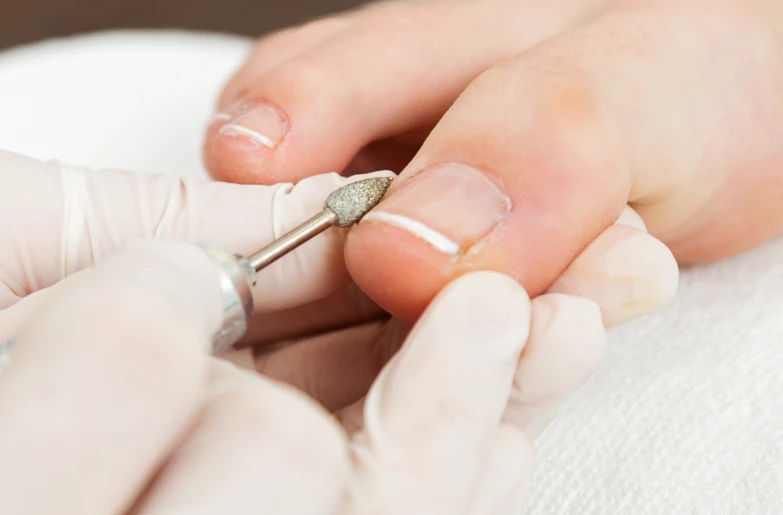
Medical pedicure for foreigners helps international patients manage thick toenails, fungal nail concerns, ingrown toenails, calluses, cracked heels, and foot hygiene problems during their stay in Seoul. At OBLIV Clinic Myeongdong Seoul, patients can receive professional foot care designed to improve comfort, nail appearance, hygiene, and walking confidence.
Medical Pedicure for Foreigners at a glance
- In short: Medical pedicure for foreigners helps international patients manage thick toenails, fungal nail concerns, ingrown toenails, calluses, cracked heels, and foot hygiene problems during their stay in Seoul.
- What Is a Medical Pedicure?: A medical pedicure focuses on foot health, toenail hygiene, and problem management rather than simple cosmetic nail care.
- How Medical Pedicure Differs From Regular Pedicure: A regular pedicure mainly focuses on cosmetic polish and appearance.
- Benefits of Medical Pedicure for Foreign Patients: Medical pedicure care may help:
- When Should Foreign Patients Consider Medical Pedicure?: Medical pedicure may be recommended if you have:
Why Choose OBLIV Clinic Myeongdong Seoul?
OBLIV Clinic provides professional medical pedicure and foot care for foreign patients in central Seoul.
Patients often choose the clinic for:
- Foreigner-friendly consultation support
- Convenient Myeongdong location
- Personalized medical pedicure planning
- Toenail and skin condition management
- Hygienic foot care
- Aftercare guidance for travelers
What Is a Medical Pedicure?
A medical pedicure focuses on foot health, toenail hygiene, and problem management rather than simple cosmetic nail care.
It may help with:
- Thick toenails
- Fungal toenails
- Discolored toenails
- Ingrown toenails
- Curved toenails
- Calluses
- Cracked heels
- Foot hygiene concerns
How Medical Pedicure Differs From Regular Pedicure
A regular pedicure mainly focuses on cosmetic polish and appearance. A medical pedicure focuses on safer foot care, nail condition management, hygiene, thick skin reduction, and recurring foot concerns.
Professional care may be more suitable for patients with pain, thick nails, fungal concerns, calluses, or ingrown nail problems.
Before and after: medical pedicure for foreigners
A simplified illustration of the change most patients aim for. Your own result depends on the cause, severity and how consistently aftercare is followed.
Illustrations are for explanation only and are not patient photos. Individual results vary.
Benefits of Medical Pedicure for Foreign Patients
Medical pedicure care may help:
- Improve toenail appearance
- Reduce thick nail discomfort
- Smooth rough skin
- Manage callus buildup
- Improve foot hygiene
- Reduce walking discomfort
- Support healthier-looking feet
When Should Foreign Patients Consider Medical Pedicure?
Medical pedicure may be recommended if you have:
- Thick or yellow toenails
- Difficulty trimming nails
- Pain from nail pressure
- Rough heels or calluses
- Cracked heel skin
- Foot odor or hygiene concerns
- Toenail discoloration
- Recurring ingrown toenails
Aftercare Tips After Medical Pedicure
Simple aftercare helps maintain results while traveling or living in Korea.
Helpful tips include:
- Keep feet clean and dry
- Wear breathable shoes
- Change socks daily
- Moisturize dry heels
- Avoid cutting nails too short
- Do not pick at treated skin or nails
- Follow clinic aftercare instructions
- Seek care early if pain returns
Medical Pedicure for Tourists and Expats
Foreign patients often seek medical pedicure care when foot discomfort affects walking, sightseeing, work, or daily comfort.
OBLIV Clinic Myeongdong Seoul is convenient for:
- Tourists visiting Korea
- Expats living in Seoul
- Business travelers
- International patients near Myeongdong
- Patients seeking English-friendly support
Medical Pedicure for Foreigners: frequently asked questions
What is a medical pedicure for foreigners?
A medical pedicure for foreigners is professional foot and toenail care for international patients who need help with thick nails, fungal concerns, calluses, cracked heels, ingrown nails, or foot hygiene.
Is a medical pedicure different from a normal pedicure?
Yes. A normal pedicure is mainly cosmetic, while a medical pedicure focuses on foot health, nail condition management, hygiene, thick skin care, and discomfort relief.
Can tourists receive a medical pedicure in Seoul?
Yes. Many tourists receive medical pedicure care during short visits to Seoul, especially when foot discomfort affects walking or travel comfort.
Can medical pedicure help with fungal nails?
Medical pedicure may improve nail hygiene and appearance, but active fungal infection may require additional treatment such as laser fungal nail care or antifungal medication.
Is medical pedicure painful?
Most medical pedicure care is well tolerated. Sensitivity may vary if the nails are very thick, damaged, infected, or painful.
What should I prepare before my visit?
Prepare information about your symptoms, previous treatments, medications, allergies, travel schedule, and how long you will stay in Korea.
Keep reading
Medical review
Written and medically reviewed by the Obliv Clinic Seoul Origin medical team, who diagnose and treat foot, nail and skin conditions in person in Seoul. Last reviewed on 14 October 2026. This page is for general information and does not replace a consultation.
Sources
Book your medical pedicure for foreigners consultation.
Send us a photo and your travel dates on WhatsApp or KakaoTalk. We’ll reply with available times.
New paragraph
New paragraph