Tinea Pedis Treatment in Myeongdong, Seoul
Tinea pedis treatment in Korea includes antifungal medication, fungal nail management, laser fungal therapy, and professional medical foot care for persistent athlete’s foot infections. OBLIV CLINIC Myeongdong Seoul offers accessible foot condition treatment for foreigners visiting Seoul with modern diagnostic evaluation and customized fungal infection management.
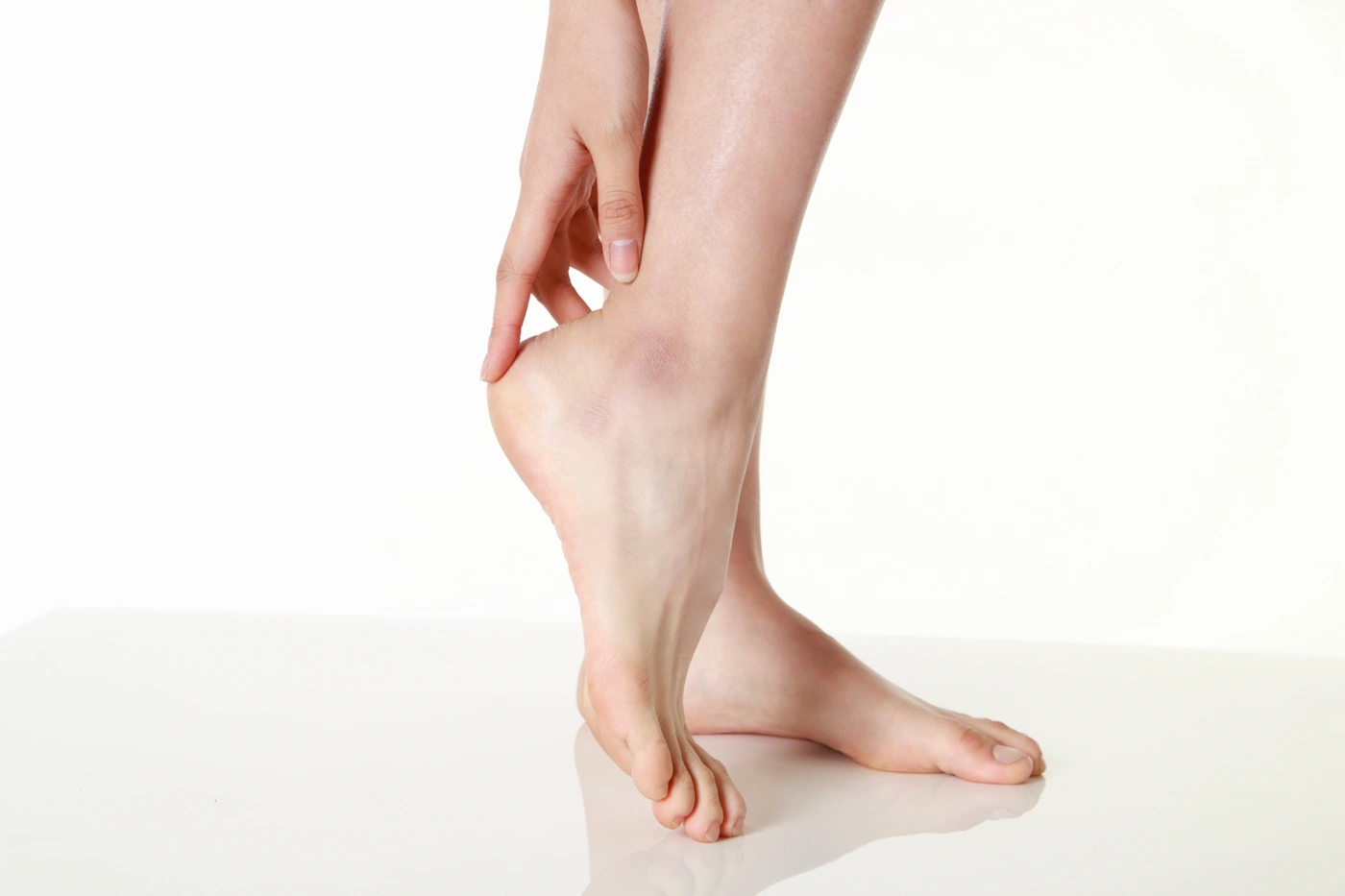
Tinea Pedis Treatment at a glance
- In short: Tinea pedis treatment in Korea includes antifungal medication, fungal nail management, laser fungal therapy, and professional medical foot care for persistent athlete’s foot infections.
- Tinea Pedis Treatment in Korea: OBLIV CLINIC Myeongdong Seoul provides foreigner-friendly care for patients dealing with tinea pedis, chronic athlete’s foot, fungal skin infections, foot odor, peeling skin, and recurrent fungal conditions affecting the feet and toenails.
- What Is Tinea Pedis?: Tinea pedis, commonly known as athlete’s foot, is a fungal infection affecting the skin of the feet.
- Common Symptoms of Tinea Pedis: Symptoms can range from mild irritation to chronic recurrent fungal infection.
- Causes of Athlete’s Foot and Fungal Foot Infection: Fungal organisms spread through contaminated surfaces and skin contact.
What Is Tinea Pedis?
Tinea pedis, commonly known as athlete’s foot, is a fungal infection affecting the skin of the feet. The condition develops when dermatophyte fungi grow in warm, humid, and moist environments.
The infection often affects:
- Between the toes
- Soles of the feet
- Heels
- Toenails in advanced cases
Tinea pedis is highly common among:
- Gym users
- Travelers
- Office workers
- Athletes
- Military personnel
- People wearing tight shoes for long periods
Common Symptoms of Tinea Pedis
Symptoms can range from mild irritation to chronic recurrent fungal infection.
Common Signs Include
- Itching between the toes
- White peeling skin
- Redness and irritation
- Burning sensation
- Dry cracked skin
- Foot odor
- Thickened skin
- Blisters in severe cases
- Toenail discoloration
Chronic fungal infections may spread to the toenails and cause onychomycosis.
Tinea Pedis Treatment in Korea
OBLIV CLINIC Myeongdong Seoul provides foreigner-friendly care for patients dealing with tinea pedis, chronic athlete’s foot, fungal skin infections, foot odor, peeling skin, and recurrent fungal conditions affecting the feet and toenails. Located in central Myeongdong, the clinic is convenient for international travelers, expats, hotel guests, and visitors seeking accessible fungal foot treatment in Seoul, Korea.
Before and after: tinea pedis treatment
A simplified illustration of the change most patients aim for. Your own result depends on the cause, severity and how consistently aftercare is followed.
Illustrations are for explanation only and are not patient photos. Individual results vary.
Causes of Athlete’s Foot and Fungal Foot Infection
Fungal organisms spread through contaminated surfaces and skin contact.
Common Risk Factors
- Humid weather
- Sweaty feet
- Public showers
- Shared slippers
- Swimming pools
- Tight footwear
- Wet socks
- Poor foot ventilation
- Diabetes
- Weakened immune system
Korea’s humid summer environment can increase fungal growth and recurrence.
Types of Tinea Pedis
Interdigital Tinea Pedis
The most common form affecting the skin between the toes.
Moccasin-Type Tinea Pedis
Causes thickened, scaly skin across the soles and heels.
Vesicular Tinea Pedis
Characterized by blisters and inflammation.
Ulcerative Tinea Pedis
A severe fungal infection associated with painful skin breakdown.
Tinea Pedis Diagnosis in Seoul
Diagnosis may include:
- Clinical skin examination
- KOH fungal testing
- Skin scraping microscopy
- Toenail fungus evaluation
- Fungal culture testing
Accurate diagnosis helps distinguish fungal infections from eczema, psoriasis, dermatitis, and bacterial skin conditions.
Tinea Pedis Treatment in Korea
Topical Antifungal Treatment
Mild fungal infections are commonly treated with prescription creams, gels, or sprays.
Common medications include:
- Terbinafine
- Clotrimazole
- Ketoconazole
- Econazole
- Ciclopirox
Oral Antifungal Medication
Persistent or severe fungal infections may require oral antifungal medication.
Common oral treatments include:
- Terbinafine
- Fluconazole
- Itraconazole
Laser Therapy for Fungal Infection
Laser treatment may help reduce fungal organisms and improve chronic fungal nail infections.
Laser fungal therapy is commonly used for:
- Resistant fungal infections
- Toenail fungus
- Recurrent athlete’s foot
- Combined fungal skin and nail conditions
Medical Foot Care
Professional foot care may include:
- Removal of thick dead skin
- Cracked heel management
- Nail trimming
- Fungal nail care
- Preventive foot hygiene treatment
Toenail Fungus and Tinea Pedis
Many patients with athlete’s foot also experience fungal toenail infection.
Symptoms of Toenail Fungus
- Yellow nails
- Thickened nails
- Brittle nails
- White nail discoloration
- Nail lifting
- Distorted nail shape
Treating both the skin and nails is important to reduce recurrence.
Prevention Tips
How to Prevent Recurrence
- Keep feet dry
- Change socks daily
- Wear breathable shoes
- Dry feet thoroughly after bathing
- Avoid barefoot walking in public facilities
- Use antifungal powder
- Disinfect shoes regularly
When to Visit a Clinic
Professional evaluation is recommended when:
- Symptoms persist beyond several weeks
- Over-the-counter medication fails
- Toenails become infected
- Pain or swelling develops
- Cracking causes bleeding
- Recurrent fungal infections continue returning
- Diabetes or circulation problems are present
Foreigner-Friendly Foot Care in Myeongdong Seoul
International patients visiting Seoul often seek clinics offering:
OBLIV CLINIC Myeongdong Seoul is positioned conveniently for travelers seeking fungal foot treatment while visiting Korea.
- English-speaking consultation
- Central Myeongdong location
- Convenient access from hotels
- Same-day appointments
- Foreign card payment
- Prescription medication
- Medical foot care treatment
Tinea Pedis Treatment: frequently asked questions
What is tinea pedis?
Tinea pedis is the medical term for athlete’s foot, a fungal skin infection affecting the feet and toes.
Is tinea pedis contagious?
Yes. Fungal infections spread through direct contact and contaminated surfaces such as floors, towels, socks, and shoes.
Can athlete’s foot spread to toenails?
Yes. Untreated fungal skin infections may spread to the toenails and cause onychomycosis.
How long does treatment take?
Mild fungal infections may improve within several weeks, while fungal nail infections may require months of treatment.
Is laser fungal treatment available in Korea?
Yes. Some Seoul clinics offer laser therapy for fungal skin and nail infections.
Can foreigners receive treatment in Seoul?
Yes. Many clinics in Seoul, including Myeongdong-area clinics, provide English-friendly consultation and treatment services for foreigners.
Keep reading
Medical review
Written and medically reviewed by the Obliv Clinic Seoul Origin medical team, who diagnose and treat foot, nail and skin conditions in person in Seoul. Last reviewed on 14 October 2026. This page is for general information and does not replace a consultation.
Book your tinea pedis treatment consultation.
Send us a photo and your travel dates on WhatsApp or KakaoTalk. We’ll reply with available times.
New paragraph
New paragraph