Ingrown Toenail Surgery in Myeongdong, Seoul
Ingrown toenail surgery can help relieve recurring pain, swelling, infection, and nail-edge pressure when conservative treatment is not enough. At OBLIV Clinic Myeongdong Seoul, patients can receive professional ingrown toenail surgery designed to remove the problematic nail edge, reduce inflammation, and prevent repeated ingrown toenail problems.
Ingrown Toenail Surgery at a glance
- In short: Ingrown toenail surgery can help relieve recurring pain, swelling, infection, and nail-edge pressure when conservative treatment is not enough.
- What Is Ingrown Toenail Surgery?: Ingrown toenail surgery usually involves removing only the painful or problematic side of the toenail rather than removing the entire nail.
- Who Needs Ingrown Toenail Surgery?: Surgery may be recommended for patients with:
- Is the Whole Toenail Removed?: In most cases, the entire toenail does not need to be removed.
- Recovery After Ingrown Toenail Surgery: Recovery depends on the severity of the ingrown toenail and the type of procedure performed.
Why Choose OBLIV Clinic Myeongdong Seoul?
OBLIV Clinic provides professional toenail and foot care for local and international patients in central Seoul.
Patients often choose the clinic for:
- Foreigner-friendly consultation support
- Convenient Myeongdong location
- Personalized nail surgery planning
- Pain and inflammation management
- Treatment for recurring ingrown toenails
- Prevention guidance after surgery
What Is Ingrown Toenail Surgery?
Ingrown toenail surgery usually involves removing only the painful or problematic side of the toenail rather than removing the entire nail.
The goal is to:
- Relieve nail-edge pressure
- Reduce pain and swelling
- Treat recurring inflammation
- Improve walking comfort
- Lower the risk of repeated infection
The exact method depends on nail shape, infection severity, and how often the ingrown toenail returns.
Who Needs Ingrown Toenail Surgery?
Surgery may be recommended for patients with:
- Repeated ingrown toenail pain
- Recurring infection or pus
- Swelling around the nail fold
- Bleeding from the nail edge
- Curved or deeply embedded nail edges
- Pain when wearing shoes
- Difficulty walking comfortably
- Ingrown toenails that return after basic care
Before and after ingrown toenail correction
A real course of treatment at Obliv Clinic Seoul Origin, from the first visit to the final session.
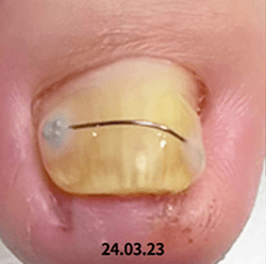
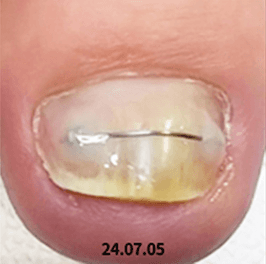
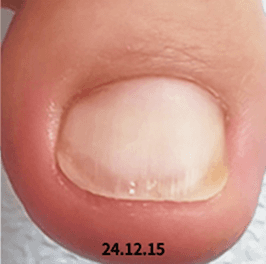
Individual results vary. The number of sessions depends on severity, nail growth and aftercare.
Is the Whole Toenail Removed?
In most cases, the entire toenail does not need to be removed. Only the ingrown nail edge is treated or partially removed when medically necessary.
This approach helps preserve the natural nail appearance while relieving pain and pressure.
Recovery After Ingrown Toenail Surgery
Recovery depends on the severity of the ingrown toenail and the type of procedure performed.
Patients may be advised to:
- Keep the area clean and dry
- Avoid tight shoes temporarily
- Limit excessive walking for a short period
- Follow dressing care instructions
- Return for follow-up if needed
- Watch for signs of infection
Most patients can resume light daily activities relatively soon, but walking comfort may vary by case.
How to Prevent Ingrown Toenails After Surgery
Prevention is important because ingrown toenails can return if nail pressure and trimming habits are not managed.
Helpful prevention tips include:
- Cut toenails straight across
- Avoid cutting nails too short
- Do not dig into nail corners
- Wear shoes with enough toe space
- Keep feet clean and dry
- Change socks regularly
- Avoid repeated toe pressure
- Seek care early if pain returns
Ingrown Toenail Surgery for Foreigners in Korea
Many foreign patients choose Korea for ingrown toenail surgery because treatment can often be done quickly as an outpatient procedure.
OBLIV Clinic Myeongdong Seoul is convenient for:
- Tourists visiting Seoul
- Expats living in Korea
- Business travelers
- International patients near Myeongdong
- Patients seeking English-friendly support
Ingrown Toenail Surgery: frequently asked questions
Is ingrown toenail surgery painful?
Pain control is usually used when needed. Patients may feel pressure, but the procedure is designed to reduce ongoing nail pain.
Do I need the whole toenail removed?
Usually no. In many cases, only the painful ingrown nail edge is removed or treated.
Can tourists receive ingrown toenail surgery in Seoul?
Yes. Many foreign patients receive outpatient ingrown toenail surgery during short visits to Seoul.
How long does recovery take?
Recovery varies by case, but many patients return to light daily activities relatively soon with proper wound care.
Can an ingrown toenail come back after surgery?
Yes, recurrence is possible, especially if nail trimming habits, shoe pressure, or nail shape issues continue.
When should I consider surgery?
Surgery may be considered if you have recurring pain, infection, pus, swelling, bleeding, or difficulty walking due to an ingrown toenail.
Keep reading
Medical review
Written and medically reviewed by the Obliv Clinic Seoul Origin medical team, who diagnose and treat foot, nail and skin conditions in person in Seoul. Last reviewed on 14 October 2026. This page is for general information and does not replace a consultation.
Book your ingrown toenail surgery consultation.
Send us a photo and your travel dates on WhatsApp or KakaoTalk. We’ll reply with available times.
New paragraph
New paragraph