Discoloured Toenail Treatment in Myeongdong, Seoul
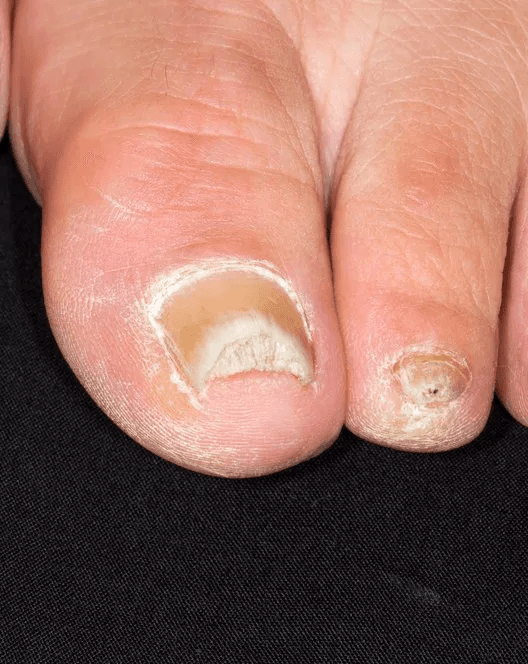
Discolored toenails may appear yellow, brown, white, black, or green due to fungal infection, trauma, pressure, bleeding under the nail, or other nail conditions. At OBLIV Clinic in Myeongdong, Seoul, patients can receive professional discolored toenail treatment designed to identify the cause, improve nail appearance, and restore healthier nail growth.
Discoloured Toenail Treatment at a glance
- In short: Discolored toenails may appear yellow, brown, white, black, or green due to fungal infection, trauma, pressure, bleeding under the nail, or other nail conditions.
- Professional Discolored Toenail Treatment in Seoul: At OBLIV Clinic, treatment is customized based on the color change, nail thickness, symptoms, and medical history.
- What Causes Discolored Toenails?: Toenail discoloration can happen for many reasons.
- Why You Should Not Ignore Toenail Discoloration: A discolored toenail may seem minor at first, but it can worsen if the underlying cause is not treated.
- Laser Treatment for Discolored Fungal Toenails: If discoloration is caused by fungal infection, laser treatment may help reduce fungal growth beneath the nail.
What Causes Discolored Toenails?
Toenail discoloration can happen for many reasons. Some cases are cosmetic, while others require medical treatment.
Common causes include:
- Fungal nail infection
- Repeated shoe pressure
- Nail trauma
- Bruising under the nail
- Thick toenails
- Nail psoriasis
- Bacterial infection
- Poor nail hygiene
- Aging-related nail changes
Why You Should Not Ignore Toenail Discoloration
A discolored toenail may seem minor at first, but it can worsen if the underlying cause is not treated.
Untreated toenail discoloration may lead to:
- Thicker nails
- Nail lifting
- Pain while walking
- Spread of fungal infection
- Nail deformity
- Recurring infection
- Difficulty trimming nails
Professional Discolored Toenail Treatment in Seoul
At OBLIV Clinic, treatment is customized based on the color change, nail thickness, symptoms, and medical history.
Treatment options may include:
- Nail examination
- Fungal nail evaluation
- Laser fungal nail treatment
- Medical antifungal treatment
- Nail cleaning and debridement
- Nail thickness management
- Foot hygiene and recurrence prevention guidance
Before and after toenail fungus laser treatment
A real course of treatment at Obliv Clinic Seoul Origin, from the first visit to the final session.
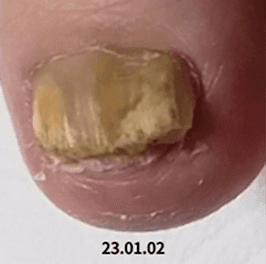
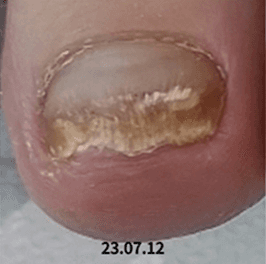
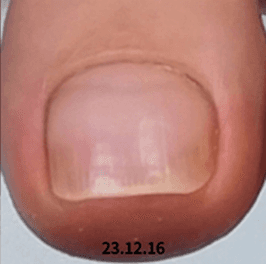
Individual results vary. The number of sessions depends on severity, nail growth and aftercare.
Laser Treatment for Discolored Fungal Toenails
If discoloration is caused by fungal infection, laser treatment may help reduce fungal growth beneath the nail.
Benefits include:
- Non-invasive treatment
- Minimal discomfort
- No major downtime
- Quick outpatient sessions
- Suitable for travelers
- Can be combined with topical or oral medication
Medical Treatment for Toenail Discoloration
Depending on the diagnosis, medical treatment may include topical antifungal solution, oral antifungal medication, anti-inflammatory treatment, or nail care management.
A proper diagnosis is important because not every discolored toenail is caused by fungus.
How Long Does Toenail Discoloration Take to Improve?
Toenails grow slowly, so improvement usually takes time.
General timeline:
- Early visible improvement: 2–3 months
- Noticeable nail clearing: 6–12 months
- Full healthy nail regrowth: up to 12–18 months
How to Prevent Toenail Discoloration From Returning
Prevention depends on the cause, but healthy foot habits can reduce recurrence.
Helpful tips include:
- Keep feet dry and clean
- Change socks daily
- Wear breathable shoes
- Avoid repeated shoe pressure
- Disinfect shoes regularly
- Treat athlete’s foot early
- Trim nails properly
- Avoid sharing nail tools
Who Should Consider Discolored Toenail Treatment?
Professional evaluation is recommended if you have:
- Yellow, brown, white, black, or green toenail changes
- Thickened toenails
- Brittle or cracked nails
- Nail lifting from the nail bed
- Pain or pressure in shoes
- Recurring fungal infection
- Toenail discoloration that does not improve
Foreigner-Friendly Toenail Treatment in Myeongdong
OBLIV Clinic is located in Myeongdong, one of Seoul’s most convenient areas for international visitors.
Foreign patients often choose the clinic for:
- Central Seoul location
- English-friendly consultation support
- Efficient outpatient care
- Minimal downtime options
- Personalized nail treatment planning
- Easy access during travel
Discoloured Toenail Treatment: frequently asked questions
What causes toenail discoloration?
Toenail discoloration may be caused by fungal infection, trauma, shoe pressure, bruising, psoriasis, bacterial infection, or aging-related nail changes.
Are yellow toenails always caused by fungus?
No. Yellow toenails may be caused by fungus, repeated trauma, nail thickening, or other nail conditions.
Can laser treatment help discolored toenails?
Laser treatment may help when discoloration is related to fungal nail infection.
How long does it take for a discolored toenail to look normal again?
Visible improvement may take several months because toenails grow slowly. Full nail regrowth may take up to 12–18 months.
Can tourists receive discolored toenail treatment in Seoul?
Yes. Many foreign patients receive consultation and treatment during short visits to Korea.
When should I see a doctor for toenail discoloration?
You should seek professional evaluation if discoloration spreads, becomes painful, changes color rapidly, or does not improve with basic care.
Keep reading
Medical review
Written and medically reviewed by the Obliv Clinic Seoul Origin medical team, who diagnose and treat foot, nail and skin conditions in person in Seoul. Last reviewed on 14 October 2026. This page is for general information and does not replace a consultation.
Book your discoloured toenail treatment consultation.
Send us a photo and your travel dates on WhatsApp or KakaoTalk. We’ll reply with available times.
New paragraph
New paragraph